

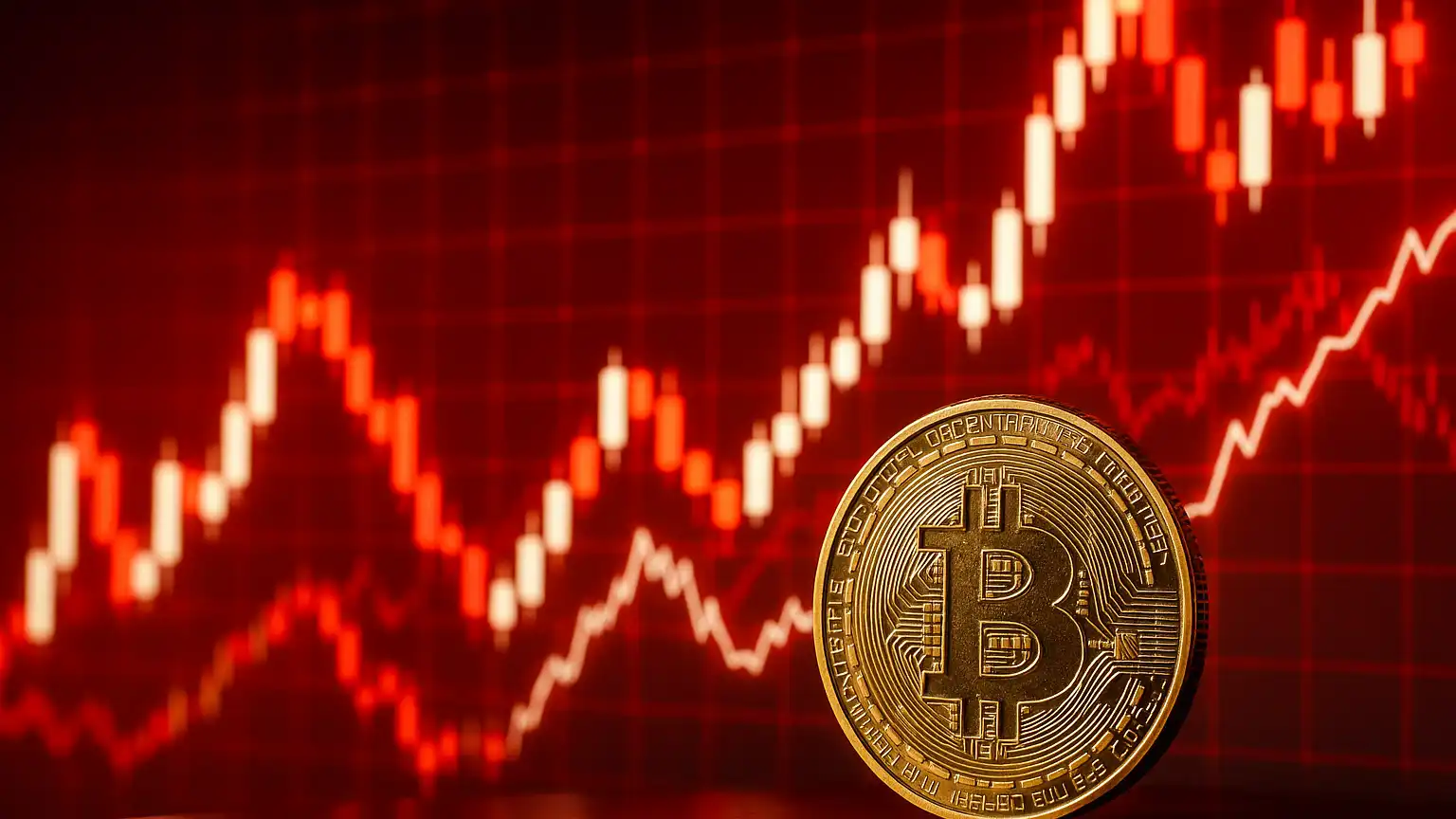
Fear Grips Digital Asset Markets
The shift in market psychology has been dramatic and measurable. The Crypto Fear & Greed Index has plummeted into extreme fear territory, reflecting a broad-based retreat from risk assets as traders reassess their exposure to volatile digital currencies. This sentiment indicator, which ranges from 0 to 100, now sits at levels typically associated with market capitulation events.
Chat rooms and trading desks that once buzzed with optimistic speculation now echo with uncertainty. The rapid transition from greed to fear has created a feedback loop where declining prices fuel additional selling pressure, pushing Bitcoin further from its previous peaks above $70,000.
The Monetary Slingshot Theory
Long-time Bitcoin advocate Anthony Pompliano has emerged as a voice of conviction during this period of doubt, introducing the concept of a “monetary slingshot” to explain current market conditions. His theory suggests that while headline inflation appears to be moderating, underlying monetary pressures remain building beneath the surface.
Pompliano argues that central bank policies designed to combat economic slowdowns through rate cuts and liquidity injections will eventually reignite inflationary pressures, creating a delayed but more powerful catalyst for scarce assets like Bitcoin. This perspective frames the current price weakness as a temporary reprieve rather than a fundamental shift in monetary dynamics.
The entrepreneur has challenged Bitcoin holders to maintain their conviction during periods when grocery receipts and utility bills don’t reflect the currency debasement they expect. This test of faith comes as many investors struggle to reconcile their long-term thesis with short-term price action.
Currency Markets Signal Broader Shifts
Adding complexity to the Bitcoin narrative, the US dollar has shown signs of weakness against major trading partners’ currencies in recent weeks. This development has created mixed signals for crypto traders who view dollar strength as typically negative for Bitcoin prices and dollar weakness as potentially supportive.
However, the relationship between currency movements and cryptocurrency prices has proven less reliable than many anticipated. Market participants note that dollar weakness doesn’t automatically translate into crypto strength, particularly when broader risk sentiment remains negative and institutional flows favor traditional safe-haven assets.
The disconnect between currency markets and crypto prices highlights the evolving nature of Bitcoin’s role in global financial markets, where correlations that once seemed predictable now require constant reevaluation.
Divided Camp Creates Volatility
Current market conditions have created two distinct camps among Bitcoin investors. The first group views the recent pullback from the high-$60,000 range as a strategic buying opportunity, treating price weakness as a discount on an asset they believe will ultimately benefit from long-term monetary trends.
The second camp demands clearer evidence of sustained inflationary pressures or explicit currency debasement policies before committing additional capital. This group argues that without obvious monetary stress, Bitcoin’s premium valuation lacks fundamental support.
The tension between these opposing viewpoints has contributed to increased volatility, with trading volumes remaining elevated as conviction buyers meet profit-taking sellers. Market makers report wider spreads and increased difficulty in managing inventory during periods of conflicting sentiment.
Testing Long-Term Conviction
The current environment represents a critical test for Bitcoin’s maturation as a financial asset. Unlike previous market cycles driven primarily by speculation or technological adoption, this downturn challenges the fundamental economic arguments supporting Bitcoin ownership.
Data and perception continue to diverge, with some analysts noting that headline inflation figures may not capture the full extent of price pressures experienced by consumers in daily life. This gap between statistical measures and lived experience adds another layer of complexity to investment decisions.
Market behavior over the coming weeks will likely determine whether Bitcoin’s store-of-value narrative can survive periods of apparent monetary stability, or whether the asset requires obvious currency stress to maintain its premium to traditional investments.
Bottom Line
As Bitcoin trades through this period of narrative uncertainty, the cryptocurrency market faces a fundamental question about its future role in global finance. Short-term pain remains visible across trading screens, but long-term bets continue to be placed by investors convinced that current monetary conditions represent a temporary calm before renewed currency turbulence. The resolution of this tension will shape not only Bitcoin’s price trajectory but its evolution as a legitimate store of value in an increasingly complex financial landscape.